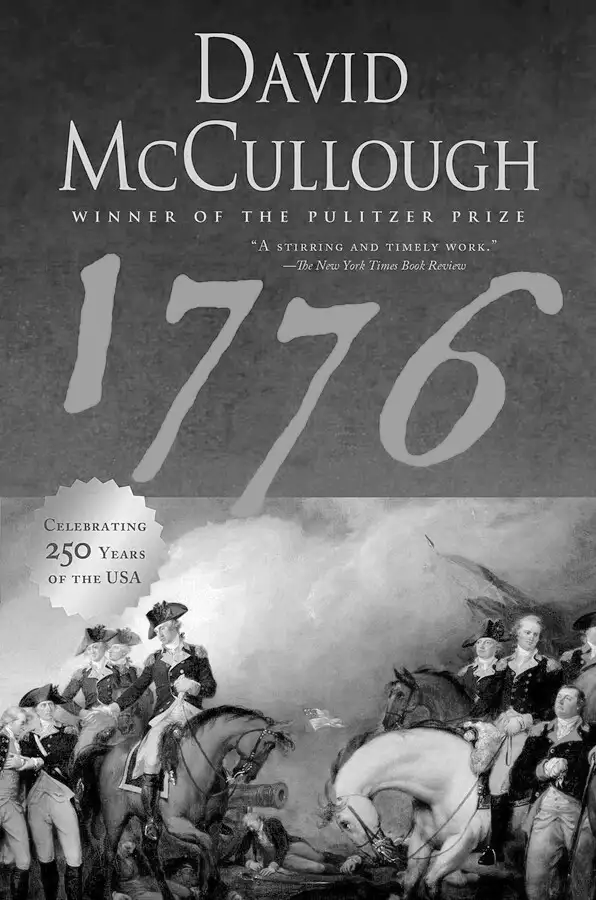
1776 — David McCullough As direct as it gets, given the date. You know who wins. 1776.
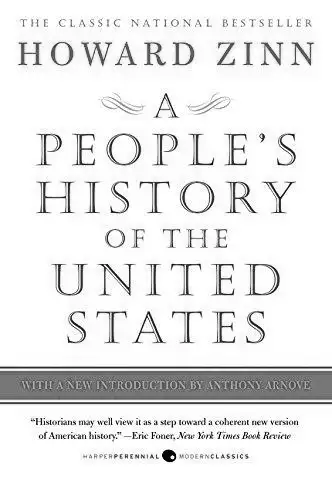
A People’s History of the United States Howard Zinn’s counter-programming version of the same subject. It’s in the library. It’s been in the library the whole time.
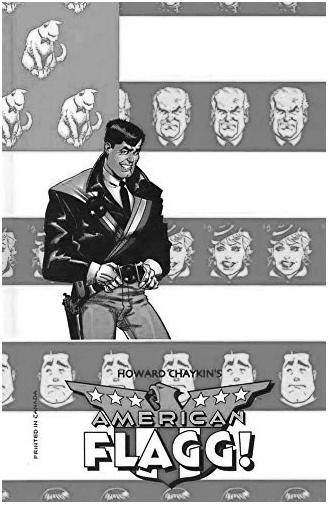
Howard Chaykin’s American Flagg! “Twenty years ago I did a comic book about a twenty-first century America with endless reality shows based on public humiliation; a federal government secretly selling off pieces of the United States; and a citizenry so drugged out on media they colluded in their own betrayal. Don’t say I didn’t warn you.” — Howard Chaykin, 2003 press release
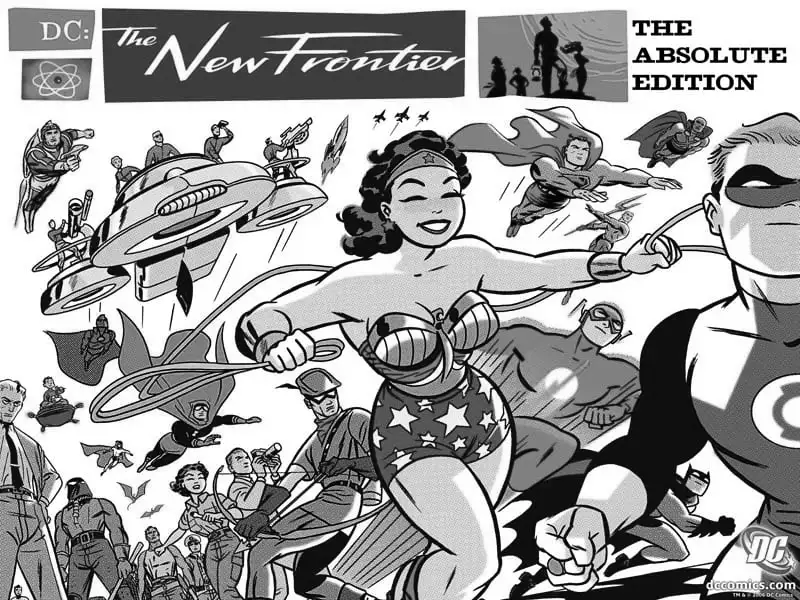
Darwyn Cooke’s Justice League: The New Frontier is soaked in mid-century American optimism and patriotism; practically a meditation on what the country told itself it was.
Jonathan Safran Foer wrote a great book about food. Very thorough. Excellent research. Eating Animals. You’ll definitely want to read it before the cookout. Or after — after works fine too. It’s about where food comes from. Happy Fourth.
Total: $49,118.00
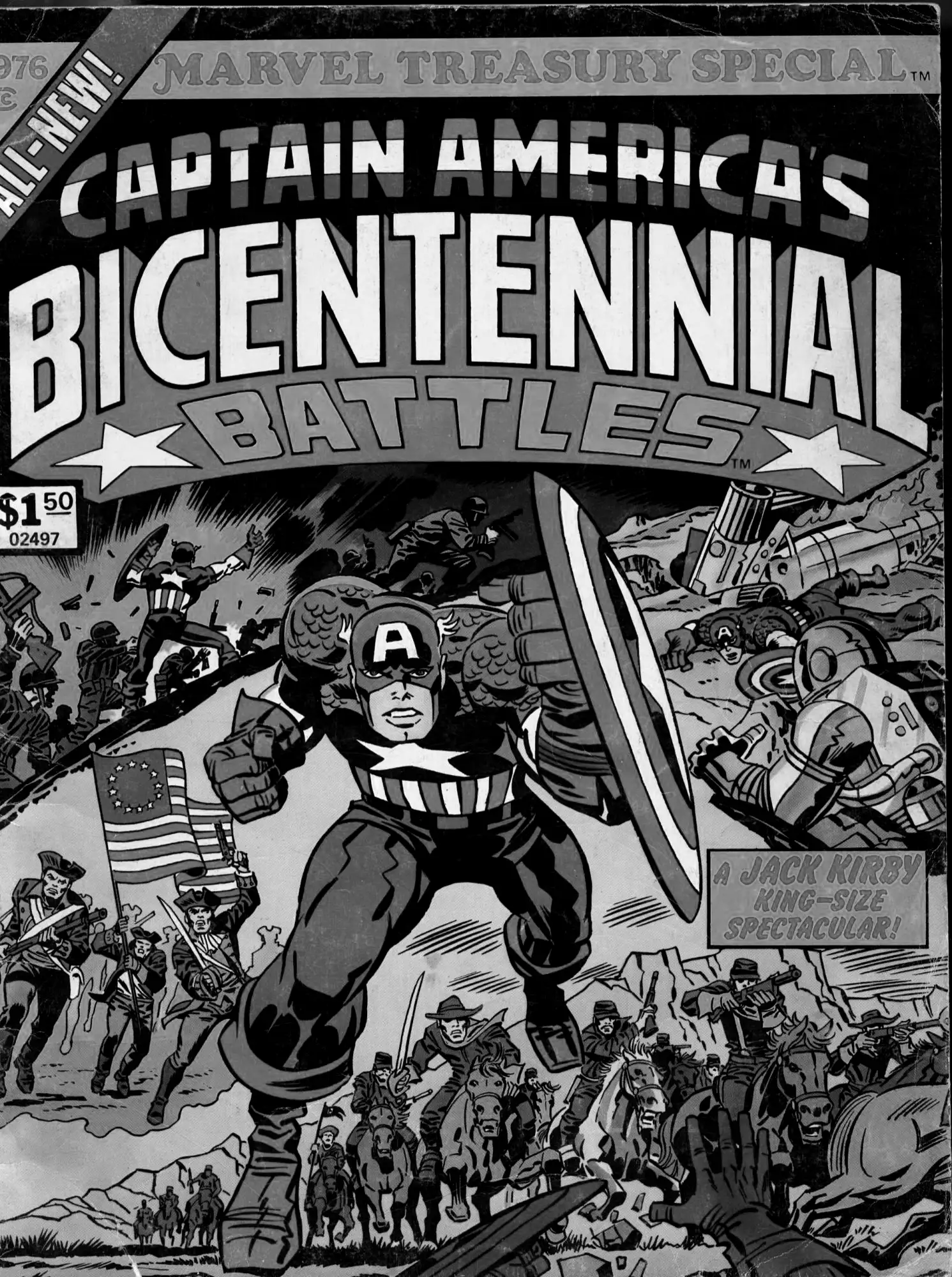
In July 1976, Marvel published Captain America’s Bicentennial Battles. It cost $1.50 — five times as much as a standard comic. Roughly nine dollars in today’s money, and it had no ads. The regular monthly Captain America that year ran 3.78 words of advertising for every word of story (we counted).
Captain America’s Bicentennial Battles sent Cap through American history: from the Revolution to the Civil War, Geronimo to Alamogordo. The story didn’t resolve what Cap found there. Mister Buda, a South Asian mystic, spent 79 pages arguing that America is the people, not the institutions. Captain America defended the institutions and lost the argument.
Fifty years later, Marvel’s 250th anniversary output includes a thirteen-month variant cover program ($67), a five-issue time-travel story with heroes trying to stop a mysterious force from rewriting history ($20.95), and a Captain America reprint comic bundled with a Jeep Wrangler ($49,030). But the reprint comic has a new cover.
Are we winning yet?
THE WEATHER
96 degrees today. Deploy that shade cloth yesterday, people!
THE FARMER: DISPATCH FROM THE CONTAINER GARDEN
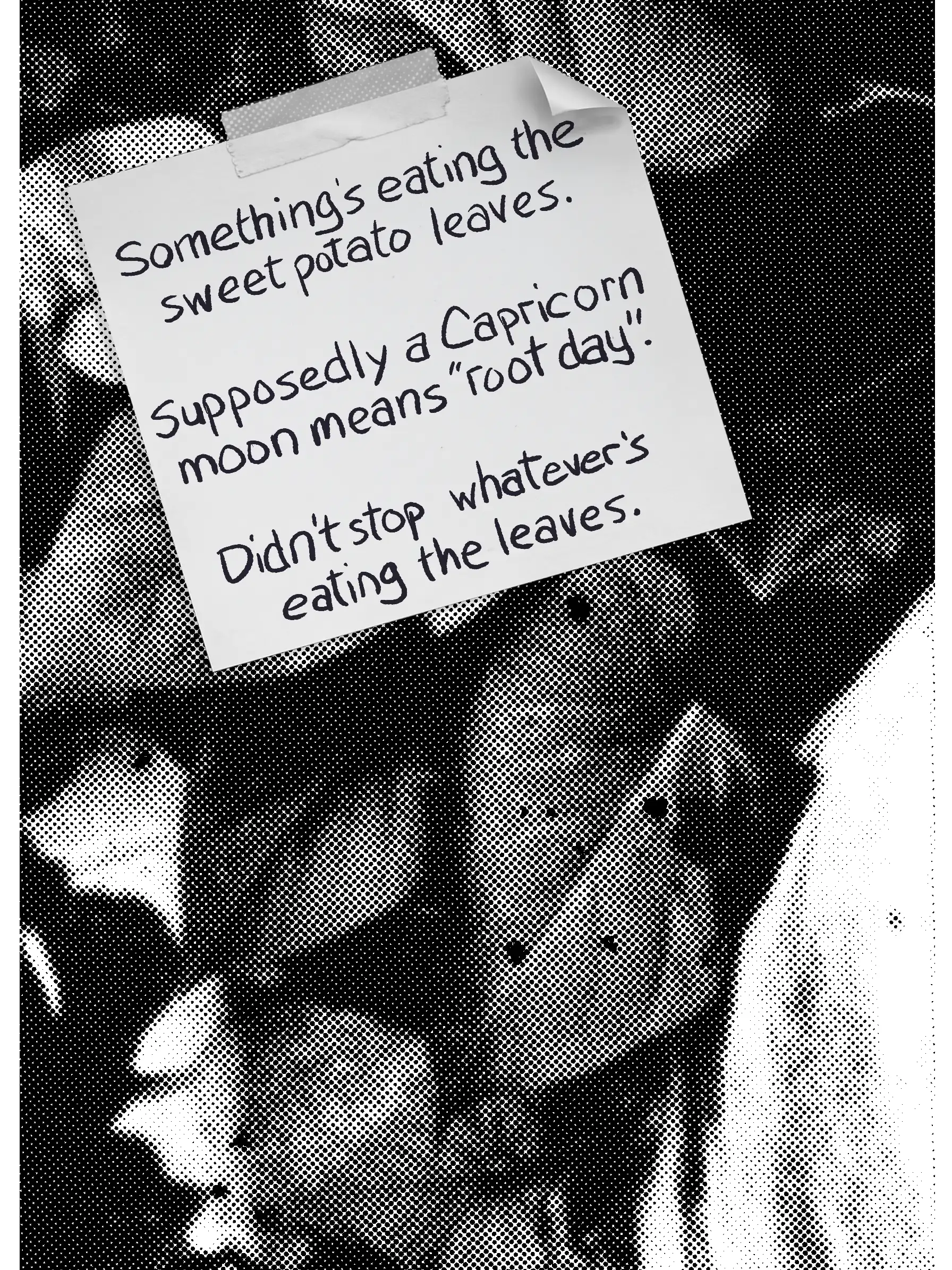
Something’s eating the sweet potato leaves. Supposedly a Capricorn moon means “root day.” Didn’t stop whatever’s eating the leaves.
THE GREAT AMERICAN PIN-UP
Martignette & Meisel — Taschen
Published in 2011. Unopened since just about then. The spine is still bright. The colors are still glossy. There’s a little dust on top, but that’s manageable.
Pulled it off the shelf this morning while pulling material for this issue.
The hardcover came away clean in both hands, leaving the pages standing there on their own.
The Great American Pin-Up. Still beautiful. Held together by faith alone.
Happy Fourth of July.
What We’ve Left Behind
I’m no farmer, but I’ve been growing sweet potatoes in five-gallon buckets on my balcony for years. I have harvested them, eaten them, composted the vines, and never once thought to ask what I was throwing away.
Turns out I was throwing away dinner. Every time.
The leaves are edible. The stems are edible. The whole tip of the vine — everything — is food. Not incidentally edible, not survivalist-situation edible. Actually nutritious. Vitamins A, C, K. B vitamins. Calcium, iron, magnesium, potassium. Omega-3 fatty acids. More protein than you’d expect in a leafy green, and more yield than most greens grown for eating.
I learned this from an archived document produced by a UC Davis graduate student in 2018, for a USAID-funded agricultural development project in Ethiopia. The project has since closed. The website notes it is no longer maintained.
How is this not common knowledge? I’m looking at you, Big Spinach.